Building Executive Function Skills
- Dominique Marinello
- Dec 18, 2025
- 3 min read
Updated: Mar 12
When it comes to learning and personal growth, many of us struggle with organization, time management, or staying focused. Sometimes, it can feel like trying to catch a cloud. That’s where executive function development becomes a true game-changer.
Executive functioning skills aren’t just about being “good at school” or naturally organized. They’re the mental skills that help us plan, prioritize, manage emotions, and follow through—whether you’re a child managing homework, a teen balancing school and social life, or an adult juggling work and family responsibilities.
Let’s explore what executive function really is, why it matters, and how executive function coaching can support lasting growth.
What Is Executive Function Development?
Executive function is often described as the brain’s control center. It helps us manage tasks, regulate emotions, and make thoughtful decisions. Think of it as the conductor of an orchestra—coordinating different skills so everything works together smoothly. When executive functioning skills are strong, daily life feels manageable. When they’re underdeveloped, even simple tasks can feel overwhelming.
Core Executive Function Skills Include:
Working memory: Holding information in mind while using it.
Cognitive flexibility: Adapting to change or shifting strategies.
Inhibitory control: Managing impulses and distractions.
Planning and organization: Setting goals and mapping out steps.
Time management: Estimating time accurately and meeting deadlines.
Imagine trying to bake a cake without a recipe or a timer. That’s what daily life can feel like without strong executive function skills. The good news? Executive function development is possible at any age—and progress can happen with the right strategies and support.

Why Executive Function Skills Matter
Executive functioning skills are foundational for success in school, work, and relationships. When these skills improve, individuals are better able to:
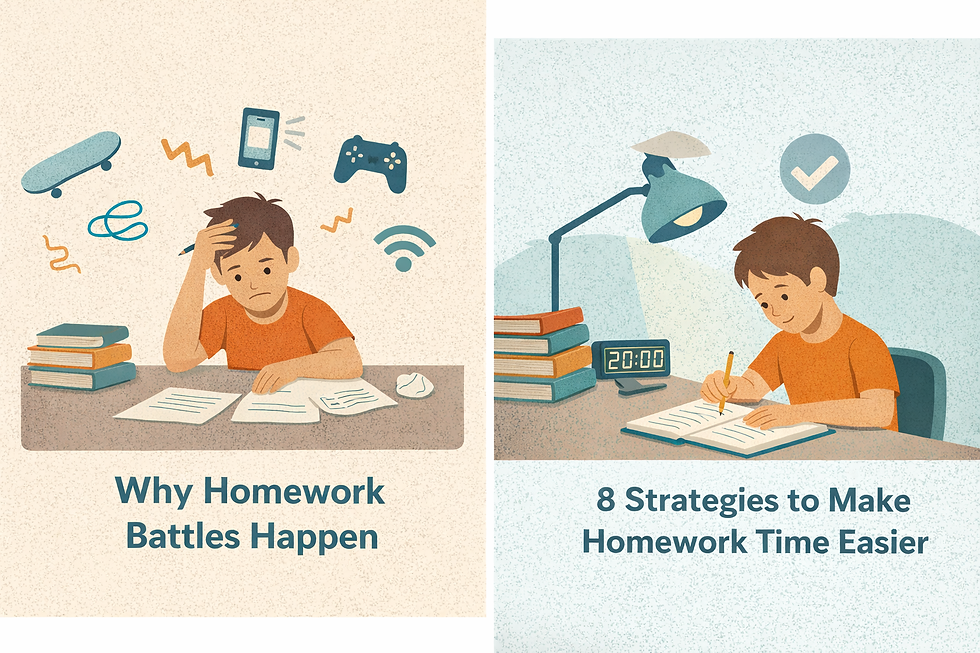
Complete homework and projects without last-minute stress.
Stay focused during classes, meetings, or long tasks.
Manage emotions during challenging situations.
Break large goals into manageable steps.
Build confidence through consistency and follow-through.
For children and teens, strong executive function skills can reduce frustration and improve academic outcomes. For adults, they support productivity, career growth, and daily balance. For parents, understanding executive function allows for more effective and compassionate support.
Example: A teen with a large science project due in two weeks may procrastinate, feel overwhelmed, or forget materials. With executive function strategies in place, that same student can create a timeline, gather supplies early, and work step by step—resulting in less stress and better results.
What Does an Executive Function Coach Do?
An executive function coach acts like a personal trainer for the brain’s control system. Coaching focuses on identifying strengths, addressing challenges, and building practical skills over time. This is not a one-size-fits-all approach—it’s personalized, collaborative, and supportive.
Executive Function Coaching Often Includes:
Assessment: Identifying which skills need support.
Goal setting: Creating clear, achievable objectives.
Skill-building strategies: Time blocking, prioritization, task initiation, and self-monitoring.
Accountability: Regular check-ins to track progress.
Emotional support: Tools for managing frustration, anxiety, and setbacks.
For example, a coach might help a student design a homework routine that aligns with their energy levels or support an adult in using digital tools for organization. The goal is independence, confidence, and long-term success.

Practical Tips to Boost Executive Function Skills
You don’t need to wait for coaching to begin improving executive functioning skills. Here are simple strategies you can try right away:
Use visual schedules or color-coded planners.
Break tasks into small, manageable steps.
Set timers to support focus and structured breaks.
Create consistent daily routines.
Practice mindfulness or brief breathing exercises.
Reduce distractions by limiting notifications.
Reflect daily on what worked and what didn’t.
Like building muscle, executive function development takes practice and patience. Progress may be gradual—but it’s meaningful.
Building Confidence Through Executive Function Development
Strengthening executive functioning skills isn’t just about completing tasks—it’s about confidence, independence, and resilience. When individuals understand how their brain works and have tools to support it, everyday challenges feel more manageable.
If you’re ready to take the next step, executive function coaching or educational therapy can provide personalized guidance and ongoing support.
At Reimagine Education, the focus is on empowering learners to overcome challenges and thrive—academically and beyond. Whether you’re starting with small changes or seeking comprehensive executive functioning support, growth is always possible.
The Journey of Learning
Learning is a journey, not a race. Each step we take builds our skills and confidence. Embrace the process! Celebrate small victories along the way. Remember, it’s okay to ask for help. We all need a little support sometimes.
Ready to take control of learning and daily life?
Reach out today to learn how executive function coaching and educational therapy can help you or your child move forward with confidence.*